Affordable Vitamin C Serums: Are They Worth It?
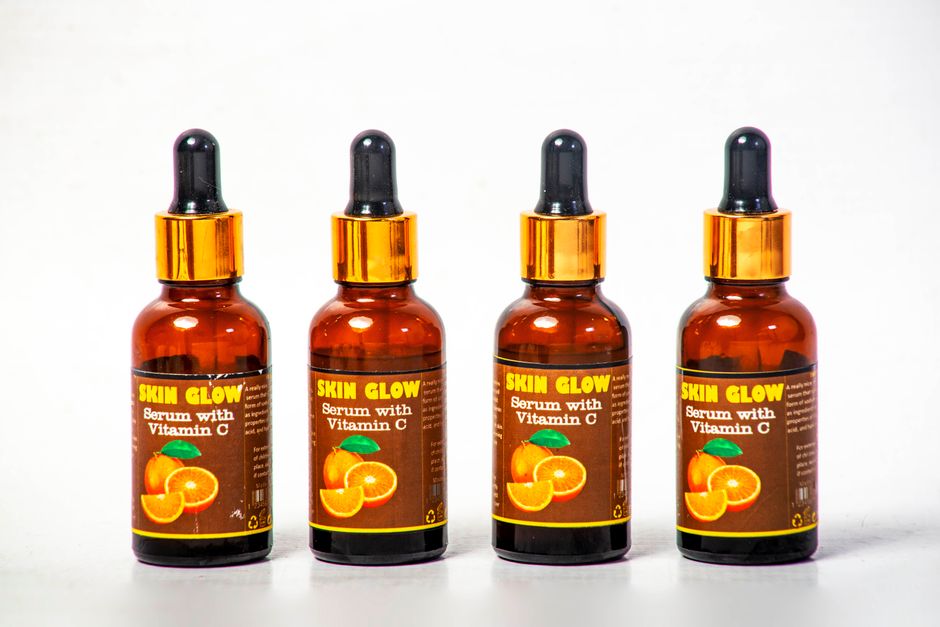
Vitamin C serums have become a staple in many skincare routines, often touted for their potential to brighten the complexion and support collagen production. However, the market is flooded with options, ranging from luxury formulas to budget-friendly picks. The question on many minds is whether a serum priced under $30 can deliver meaningful benefits, or if higher-priced products are necessary for efficacy. This review aims to explore that question by examining five affordable vitamin C serums, focusing on their stability, texture, and observable outcomes over a four-week period.
The selection for this review was based on popularity, availability, and adherence to the price constraint. We considered serums that boast a vitamin C concentration typically between 10% and 15%, which is considered effective yet suitable for most skin types. Each product was used consistently every morning on clean, dry skin, followed by a moisturizer and sunscreen. The evaluation criteria included ascorbic acid stability, packaging integrity, application experience, and any changes in skin tone, texture, or radiance. It is important to note that individual results can vary, and these observations are based on a single tester’s experience.
As we delve into the specifics, we will discuss the formulation nuances, texture profiles, and the visible changes observed after four weeks. This review is not meant to be a definitive verdict on all affordable vitamin C serums, but rather a detailed analysis of these five products to help inform your choices.
Understanding Vitamin C in Skincare
Vitamin C, particularly in the form of L-ascorbic acid, is a well-known antioxidant that can neutralize free radicals and support the skin’s natural repair processes. Its benefits include aiding in collagen synthesis, which may help with skin firmness and elasticity, and contributing to a more even skin tone by inhibiting melanin production. However, the effectiveness of a vitamin C serum depends largely on its stability. L-ascorbic acid is notoriously unstable, degrading when exposed to light, air, and heat. Therefore, the way a serum is formulated and packaged plays a crucial role in maintaining its potency.
When examining affordable options, one might worry that cost-cutting measures could compromise stability. Some brands address this by using vitamin C derivatives, which are more stable but may have different efficacy levels. Others use airtight, opaque packaging to protect the active ingredient. In our testing, we looked for these factors to assess whether the serums could maintain their effectiveness over the course of four weeks. The consistency and smell of each serum also indicated its freshness.
Stability is key when it comes to vitamin C serums; without proper stabilization, the active ingredient may lose its potency before it reaches your skin.
Moreover, the pH level of a serum influences how well L-ascorbic acid penetrates the skin. Optimal pH is typically below 3.5. When testing, we did not measure pH but considered the brand’s claimed formulation. The serums we selected are known to have appropriate pH levels based on available information. This preliminary understanding sets the stage for evaluating each product individually.
Criteria for Selection and Testing
We established a set of criteria to ensure that our testing was fair and relevant. First, the serums had to be under $30 at the time of purchase. Second, they were required to list vitamin C or a derivative as an active ingredient. Third, we selected products with varying formulations to represent a range of approaches within the affordable category. The five serums chosen were from reputable brands that are widely available in the United States.
Each serum was used daily for four weeks. We recorded application, texture, absorption, and any immediate effects such as tingling or residue. At the end of the period, we noted changes in skin brightness, evenness, and overall appearance. To minimize external variables, the tester maintained a consistent skincare routine, using the same cleanser, moisturizer, and sunscreen throughout the trial. Additionally, the tester avoided direct sun exposure and other exfoliating products during the testing period.
It is essential to acknowledge that this testing is not double-blind nor peer-reviewed. The observations are subjective and based on one person’s skin type, which is combination skin with occasional hyperpigmentation. Effects may differ for other skin types and concerns.
Analysis of Five Affordable Serums
Serum 1: Classic L-Ascorbic Acid
The first serum we tested was a straightforward formulation with 10% L-ascorbic acid, water, glycols, and a few botanical extracts. It came in a dark glass bottle with a dropper, which helps protect the vitamin from light. The texture was watery, almost like a toner, and it absorbed quickly without any greasiness. There was a slight tingling on application, which is common for vitamin C serums, but it subsided within a minute.
Over the four weeks, we noticed a subtle improvement in overall radiance. The skin appeared slightly more luminous, and a dark spot from a previous blemish seemed marginally lighter. However, there was no dramatic change. The serum’s stability seemed adequate, as it did not discolor significantly by the end of the testing period. This product performed as expected for a basic vitamin C serum, offering good value for its price.
Serum 2: Derivative-Based Gel
Our second serum contained magnesium ascorbyl phosphate, a more stable derivative, in a gel-like base. The pump dispenser was convenient and hygienic. The texture was slightly tacky at first, but it dried down to a smooth finish. This serum was fragrance-free, which was a plus for sensitive skin. It did not cause any irritation, and the product maintained its clear appearance throughout the testing period.
In terms of visible results, this serum seemed to have a more hydrating effect rather than brightening. The skin felt plumper, but there was no noticeable lightening of dark spots. This is consistent with the understanding that derivatives may be gentler but less potent than L-ascorbic acid. For individuals with dry skin, this could be a preferable option.
Serum 3: Ferulic Acid and Vitamin E Combo
The third serum combined 12% L-ascorbic acid with ferulic acid and vitamin E, which are often added to enhance stability and efficacy. It came in an airtight pump bottle, which is ideal for preserving the formula. The texture was silicone-based, providing a matte finish. It felt smooth upon application, though it took a bit longer to absorb than the watery formulas.
After four weeks, we observed a more visible brightening effect compared to the first serum. The skin tone appeared more even, and the texture felt smoother. This serum also exhibited good stability, with no color change. The inclusion of antioxidants likely contributed to the enhanced results. This product stood out as one of the most effective in our trial.
Serum 4: Acai Berry and Vitamin C Blend
Our fourth serum featured a blend of vitamin C from acai berry extract and a lower concentration of L-ascorbic acid (around 8%). It had a fruity scent and a light, oil-based texture. It came in a dropper bottle with colored glass to reduce light exposure. The oiliness was a concern for those with oily skin, but it absorbed reasonably well after a few minutes.
This serum provided a dewy glow, which some might appreciate. However, we did not observe significant changes in hyperpigmentation. The lower concentration of L-ascorbic acid may have limited its brightening potential. The overall stability seemed fine, but the scent could be off-putting to some. This product might suit dry skin types, but it may not deliver substantial results for brightening.
Serum 5: Vitamin C and Hyaluronic Acid
The last serum combined 10% L-ascorbic acid with hyaluronic acid for added hydration. It had a watery, gel-like consistency and a neutral scent. The pump packaging was effective in keeping the product stable, as it did not oxidize during the test. The serum absorbed quickly, leaving no residue.
After four weeks, the skin appeared more hydrated and slightly more radiant. There was a mild improvement in the overall skin tone, but not as pronounced as with Serum 3. The hyaluronic acid contributed to a plumping effect. This is a good option for those with dry or dehydrated skin who want the benefits of vitamin C along with extra moisture.
Comparative Assessment and Takeaways
When comparing the five serums, several patterns emerged. The formulations with higher L-ascorbic acid and additional antioxidants, like ferulic acid, showed the most noticeable brightening effects. The derivative-based and lower-concentration products provided minor benefits but were less impressive. Interestingly, the texture and packaging varied significantly, and these factors influenced the overall experience.
Stability appeared consistent with the type of packaging and formulation. Serums in air-tight pumps or dark glass bottles maintained their efficacy better than those with dropper bottles. The dropper bottles allowed more exposure to air, which could degrade the vitamin C over time. However, we did not observe drastic changes in color or effectiveness within the four weeks.
It is crucial to remember that results from a single trial cannot be generalized. The efficacy of a serum depends on numerous factors, including skin type, concentration, pH, and individual response. Moreover, vitamin C is not a quick fix; its benefits accumulate over time. A four-week period may not be sufficient to see full effects.
Affordable vitamin C serums can be a cost-effective addition to a skincare routine, but choosing the right formulation is key.
For consumers, we recommend examining the ingredient list, checking for appropriate packaging, and considering your skin type. A serum with sodium ascorbyl phosphate might be more suitable for sensitive skin, while those seeking maximum potency may opt for L-ascorbic acid. Additionally, it’s wise to store any vitamin C serum away from heat and light to preserve its stability, regardless of price.
In conclusion, affordable vitamin C serums can indeed be worth trying, but they vary in efficacy. The best approach is to align your choice with your skincare needs and to remember that consistency and sun protection are equally important in achieving a healthy complexion.